How to Scale Influencer Marketing for Growing Businesses
In 2026, influencer marketing has become one of the most effective ways for businesses to increase brand awareness, generate qualified leads, and drive sales. With the right approach, brands can expand from working with a handful of creators to managing hundreds of successful partnerships across multiple platforms.
In this guide, you'll learn how to scale influencer marketing for growing businesses, the best practices to follow, and why partnering with an influencer marketing agency can accelerate your growth.
Why Scaling Influencer Marketing Matters
Many businesses see positive results from their first influencer campaigns but struggle to maintain consistency as they expand. Scaling influencer marketing allows brands to:
- Reach larger and more diverse audiences
- Increase brand visibility across multiple platforms
- Build stronger customer trust through authentic recommendations
- Generate consistent leads and sales
- Create a steady pipeline of user-generated content (UGC)
- Improve marketing ROI with data-driven decision-making
Instead of relying on a few influencers, scaling enables businesses to build a sustainable network of creators who consistently promote the brand.
Build a Strong Influencer Marketing Strategy
Successful scaling starts with a clear strategy. Before increasing the number of collaborations, define your goals and establish a repeatable process.
Your strategy should include:
- Campaign objectives
- Target audience
- Budget allocation
- Preferred social media platforms
- Content guidelines
- Success metrics
- Reporting process
Having a structured framework ensures every campaign aligns with your business goals.
Focus on the Right Types of Influencers
Scaling isn't about partnering with the biggest influencers—it's about finding the right mix.
Nano Influencers
Nano influencers typically have smaller but highly engaged communities. They are ideal for local businesses, startups, and niche campaigns.
Micro Influencers
Micro influencers often deliver excellent engagement rates and authentic connections with their audiences, making them a cost-effective choice for growing brands.
Macro Influencers
Macro influencers offer broader reach and are best suited for product launches, nationwide campaigns, and large-scale brand awareness initiatives.
A balanced influencer portfolio helps businesses maximize both reach and engagement.
Standardize Your Campaign Workflow
As the number of influencer collaborations increases, manual management becomes inefficient.
Create standardized processes for:
- Influencer outreach
- Campaign briefs
- Content approvals
- Contracts
- Payment management
- Performance reporting
- Campaign feedback
A consistent workflow reduces delays and ensures smooth campaign execution.
Expand Across Multiple Platforms
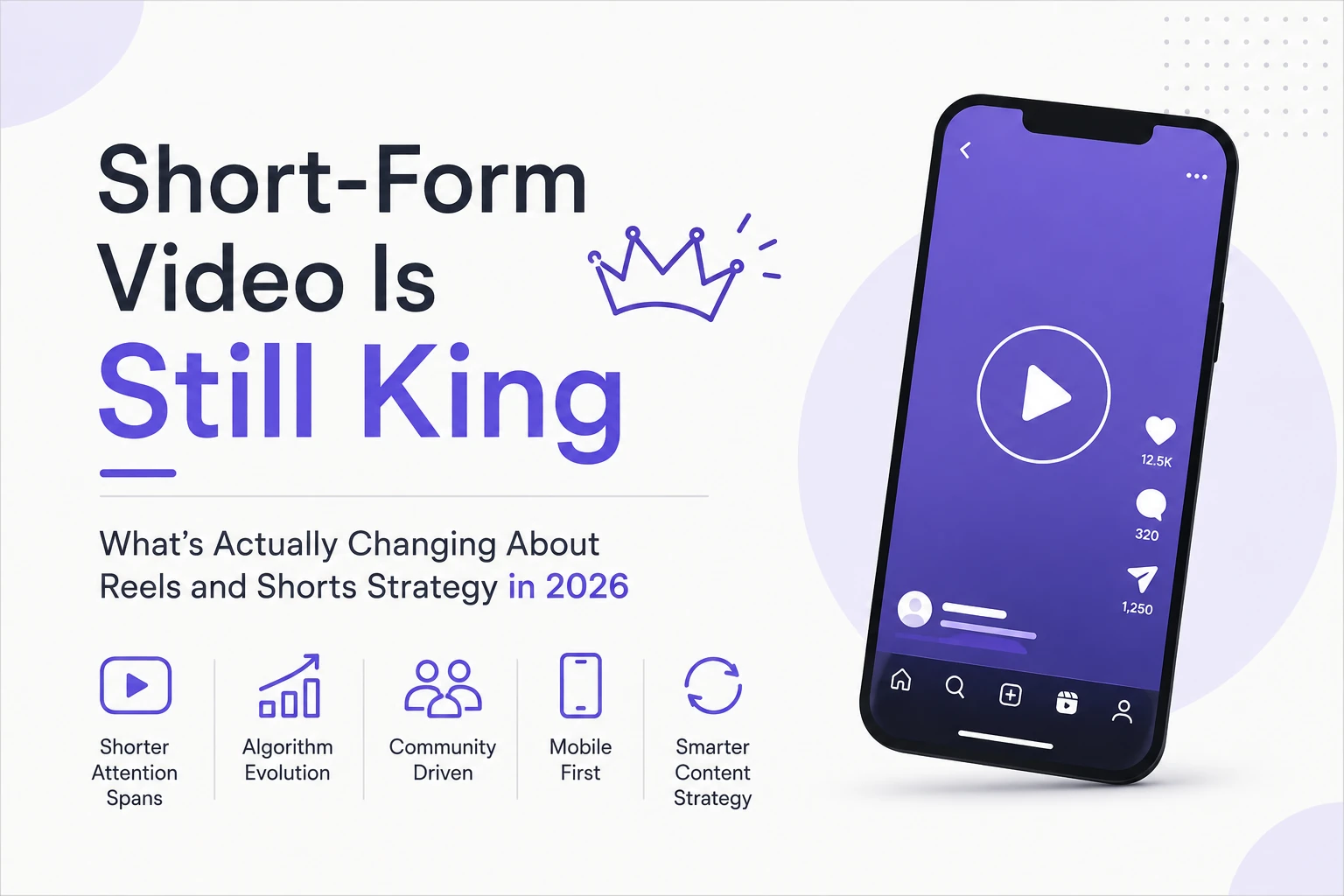
Limiting campaigns to one platform can restrict growth. Today's consumers engage with content across several social media channels.
Consider expanding your campaigns on:
- YouTube
- TikTok
- LinkedIn (for B2B brands)
- X (formerly Twitter)
A multi-platform approach increases visibility while reaching different audience segments.
Build Long-Term Influencer Relationships
One-time collaborations may create awareness, but long-term partnerships build trust and consistency.
Benefits of ongoing influencer relationships include:
- Stronger brand credibility
- More authentic product recommendations
- Improved audience familiarity
- Better campaign performance over time
- Lower influencer acquisition costs
Brand ambassadors often generate better results than influencers who promote multiple competing products.
Use Data to Scale Smarter
Growing businesses should make every campaign decision based on performance data rather than assumptions.
Track important metrics such as:
- Reach
- Impressions
- Engagement rate
- Website traffic
- Click-through rate (CTR)
- Conversion rate
- Sales generated
- Customer acquisition cost (CAC)
- Return on investment (ROI)
Regular analysis helps identify which influencers, platforms, and content formats deliver the highest returns.
Repurpose Influencer Content
One of the biggest advantages of influencer marketing is the ability to reuse high-performing content.
Repurpose influencer-created content for:
- Paid social media ads
- Website landing pages
- Product pages
- Email marketing campaigns
- Brand social media accounts
- Display advertising
This extends the value of every collaboration while maintaining authentic messaging.
Automate Repetitive Tasks
Managing dozens of influencer campaigns manually can consume valuable time.
Businesses should automate tasks like:
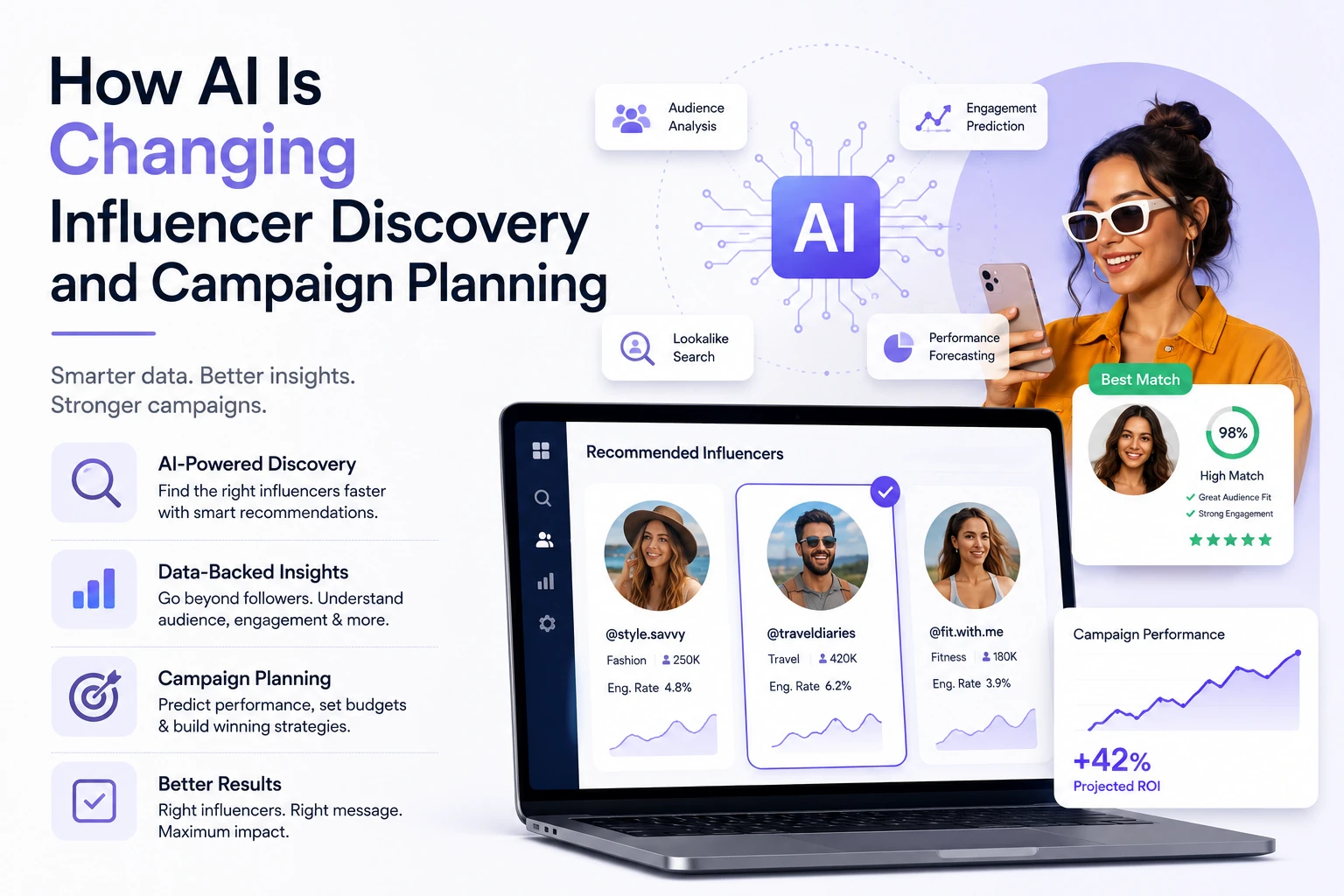
- Influencer discovery
- Email outreach
- Campaign scheduling
- Performance tracking
- Payment reminders
- Reporting dashboards
Automation allows marketing teams to focus on strategy, creativity, and relationship building.
Ensure Brand Consistency
As influencer campaigns grow, maintaining a consistent brand identity becomes increasingly important.
Provide creators with:
- Brand guidelines
- Messaging framework
- Product information
- Campaign objectives
- Creative direction
- Required disclosures
While consistency matters, influencers should still have creative freedom to produce content that resonates with their audience.
Common Challenges When Scaling Influencer Marketing
Growing businesses often encounter several challenges during expansion.
Finding Quality Influencers
As campaigns scale, identifying authentic creators becomes more difficult. Prioritize audience quality over follower count.
Managing Multiple Campaigns
Running campaigns simultaneously requires organized project management and efficient communication.
Measuring ROI
Without proper tracking systems, businesses may struggle to determine campaign effectiveness.
Maintaining Authenticity
Audiences quickly recognize overly scripted promotions. Encourage influencers to create content in their own voice.
Why Work with an Influencer Marketing Agency?
Scaling influencer marketing requires expertise, technology, and dedicated campaign management. An experienced influencer marketing agency can simplify the entire process by providing:
- Influencer research and vetting
- Campaign strategy development
- Influencer outreach and negotiations
- Content coordination
- Campaign execution
- Performance tracking
- ROI reporting
- Ongoing optimization
For growing businesses, outsourcing campaign management often leads to faster execution, stronger partnerships, and better results.
Best Practices for Scaling Influencer Marketing
Follow these proven strategies to grow your influencer marketing program successfully:
- Define clear campaign goals before scaling.
- Work with a mix of nano, micro, and macro influencers.
- Build long-term creator partnerships.
- Expand campaigns across multiple social media platforms.
- Track performance using measurable KPIs.
- Repurpose influencer content across marketing channels.
- Continuously optimize campaigns based on data.
- Invest in professional influencer marketing services for sustainable growth.
Conclusion
Scaling influencer marketing is about more than increasing the number of creators you work with. It requires a structured strategy, reliable workflows, data-driven decision-making, and strong relationships with influencers who genuinely align with your brand.
As your business grows, investing in influencer marketing services can help you reach larger audiences, improve customer trust, and generate measurable business results. Whether you're expanding into new markets or launching multiple campaigns, partnering with a trusted influencer marketing agency ensures your marketing efforts remain efficient, scalable, and profitable.
Frequently Asked Questions (FAQs)
1. What does it mean to scale influencer marketing?
Scaling influencer marketing involves expanding your campaigns by working with more creators, using multiple platforms, and implementing systems that support consistent growth.
2. Which influencers are best for growing businesses?
Nano and micro influencers often provide higher engagement rates and cost-effective collaborations, while macro influencers are useful for broader brand awareness.
3. How can businesses measure influencer marketing success?
Track metrics such as engagement rate, website traffic, conversions, customer acquisition cost, and return on investment (ROI).
4. Why should brands build long-term influencer partnerships?
Long-term collaborations create stronger audience trust, improve content authenticity, and often deliver better campaign performance than one-time promotions.
5. Why hire an influencer marketing agency?
An influencer marketing agency helps businesses scale efficiently by managing influencer discovery, campaign execution, analytics, reporting, and optimization while saving time and improving ROI.