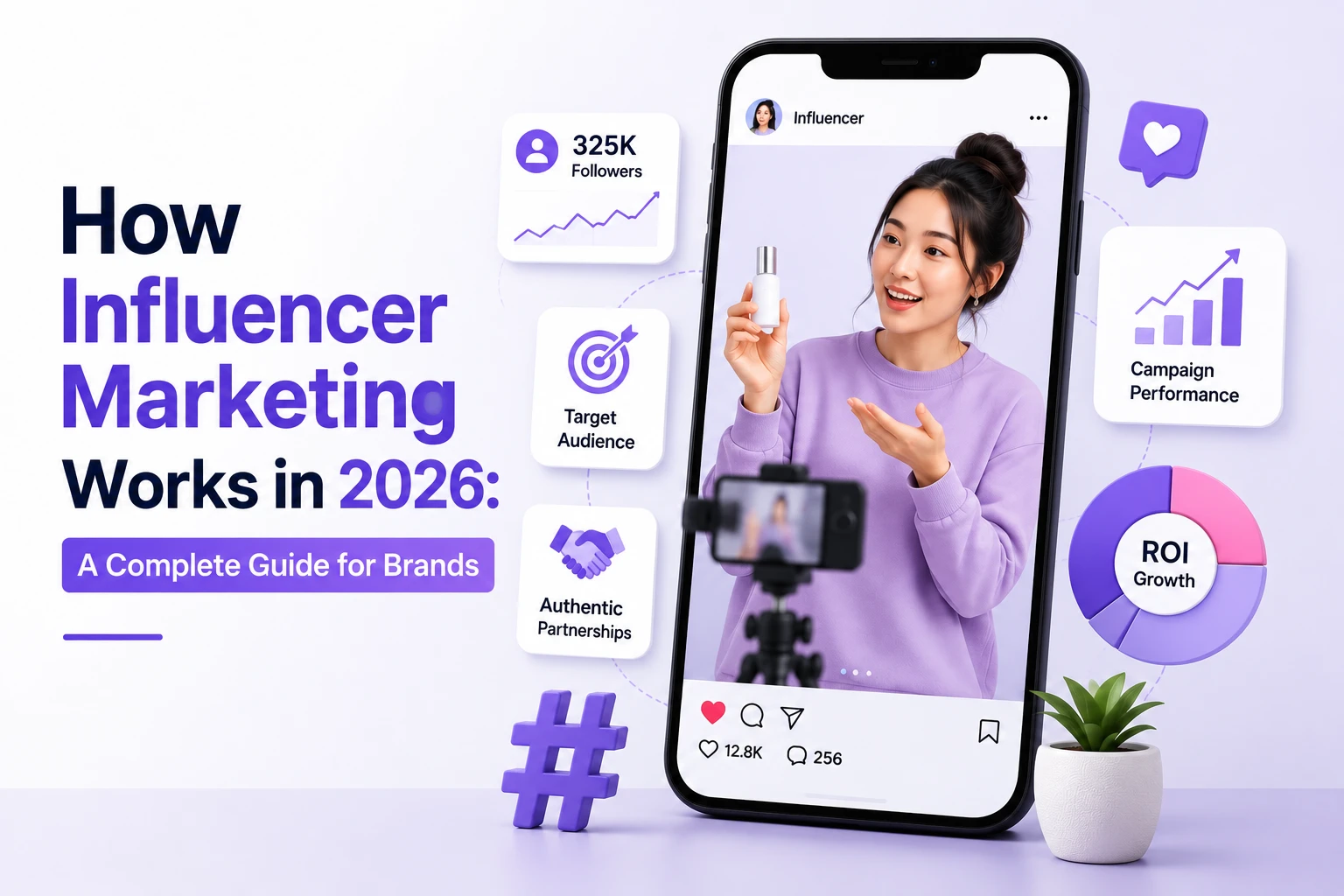
How Influencer Marketing Works in 2026: A Complete Guide for Brands
Influencer marketing has become one of the most effective digital marketing strategies for brands looking to build trust, increase visibility, and drive sales. In 2026, the industry has evolved far beyond celebrity endorsements. Businesses are now partnering with nano, micro, macro, and niche influencers to connect with highly engaged audiences through authentic content.
Whether you're a startup, D2C brand, or enterprise, understanding how influencer marketing works in 2026 can help you create campaigns that generate measurable results. In this guide, we'll explain the process, latest trends, and why working with an influencer marketing agency can maximize your return on investment.
What Is Influencer Marketing?
Influencer marketing is a strategy where brands collaborate with content creators who have built trust and credibility within a specific niche. These influencers promote products or services through engaging content on platforms like Instagram, YouTube, TikTok, LinkedIn, and Facebook.
Unlike traditional advertising, influencer marketing relies on genuine recommendations that audiences perceive as more authentic and relatable.
Why Influencer Marketing Is Growing in 2026
The influencer marketing industry continues to expand because consumer behavior has shifted dramatically. People trust recommendations from creators they follow more than traditional advertisements.
Some key reasons behind its growth include:
- Higher audience engagement than conventional ads
- Authentic storytelling that builds trust
- Better targeting through niche communities
- Increased demand for user-generated content (UGC)
- AI-powered campaign tracking and analytics
- Improved ROI through data-driven influencer selection
Brands are investing more in influencer marketing services because they deliver both brand awareness and measurable business outcomes.
How Influencer Marketing Works in 2026
A successful influencer campaign follows a structured process that combines strategy, creativity, and performance tracking.
1. Define Campaign Objectives
Every campaign begins with clear goals, such as:
- Brand awareness
- Product launches
- Website traffic
- Lead generation
- Sales conversions
- App downloads
- Community growth
Clear objectives help determine the right influencers and performance metrics.
2. Identify the Right Influencers
Choosing the right creator is more important than selecting the biggest audience.
Brands now focus on:
- Audience demographics
- Engagement rate
- Content quality
- Brand relevance
- Authenticity
- Previous campaign performance
Many businesses prefer micro-influencers because they often generate stronger engagement and higher trust than larger creators.
3. Develop a Creative Campaign Strategy
Once influencers are selected, brands collaborate on content ideas while allowing creators to maintain their authentic voice.
Popular campaign formats include:
- Instagram Reels
- YouTube reviews
- Product unboxing videos
- Tutorial content
- Giveaways
- Live sessions
- Story promotions
- Short-form videos
Authenticity remains the biggest factor behind campaign success.
4. Launch the Campaign
After approvals, influencers publish content according to the campaign schedule.
Modern campaigns usually combine multiple creators across various social media platforms to maximize reach and audience diversity.
5. Measure Campaign Performance
One of the biggest improvements in 2026 is advanced campaign measurement.
Brands monitor metrics such as:
- Reach
- Impressions
- Engagement rate
- Click-through rate (CTR)
- Website traffic
- Conversion rate
- Sales generated
- Return on investment (ROI)
AI-powered analytics tools provide detailed insights into campaign performance, helping brands optimize future collaborations.
Influencer Marketing Trends in 2026
The influencer landscape continues to evolve. Some of the biggest trends shaping campaigns include:
Rise of Nano and Micro Influencers
Smaller creators often have highly loyal communities, making them valuable partners for brands seeking authentic engagement.
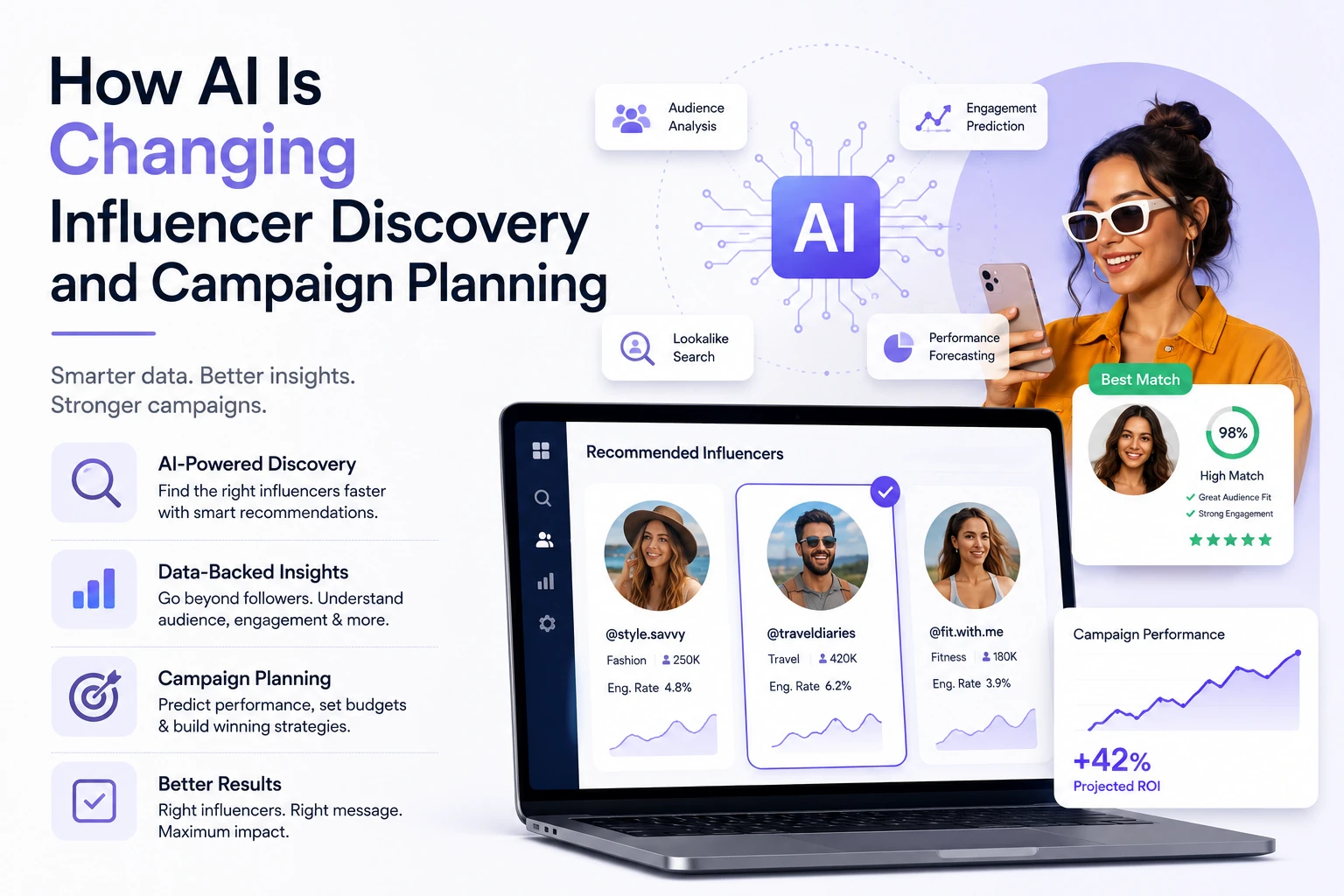
AI-Powered Influencer Discovery
Businesses now use AI tools to identify creators based on audience quality, engagement, niche, and campaign goals.
User-Generated Content (UGC)
Brands increasingly repurpose influencer-created content across paid advertising, websites, and social media channels.
Long-Term Brand Partnerships
Instead of one-time collaborations, companies build ongoing relationships with influencers to strengthen credibility and audience trust.
Performance-Based Collaborations
Many campaigns now include incentive-based payment models tied to measurable outcomes such as sales or leads.
Benefits of Influencer Marketing for Businesses
Businesses across industries benefit from influencer marketing because it combines credibility with targeted reach.
Some major advantages include:
- Builds trust with potential customers
- Increases brand awareness
- Generates high-quality leads
- Improves conversion rates
- Produces authentic content
- Boosts social media engagement
- Strengthens online reputation
- Delivers measurable ROI
When managed correctly, influencer marketing becomes a scalable customer acquisition channel.
Why Work with an Influencer Marketing Agency?
Managing influencer campaigns requires research, negotiation, content approvals, legal compliance, campaign monitoring, and reporting.
An experienced influencer marketing agency simplifies the process by offering:
- Influencer discovery and outreach
- Campaign planning and strategy
- Creator relationship management
- Contract and compliance handling
- Performance tracking
- ROI reporting
- End-to-end campaign execution
Working with professionals allows brands to focus on business growth while ensuring campaigns achieve their objectives.
Best Practices for Influencer Marketing Success
To maximize campaign performance:
- Define measurable goals before launching campaigns.
- Choose influencers whose audience matches your target customers.
- Prioritize engagement over follower count.
- Give creators creative freedom to maintain authenticity.
- Monitor campaign performance regularly.
- Build long-term relationships with successful influencers.
- Repurpose influencer content across marketing channels.
These practices help brands create campaigns that drive sustainable growth.
Conclusion
Influencer marketing in 2026 is more strategic, data-driven, and performance-focused than ever before. Success depends on selecting the right creators, creating authentic content, and continuously optimizing campaigns based on analytics.
Whether you're launching a new product, building brand awareness, or increasing online sales, investing in professional influencer marketing services can help you achieve measurable results. Partnering with an experienced influencer marketing agency ensures your campaigns are planned, executed, and optimized for maximum impact in today's competitive digital landscape.
Frequently Asked Questions (FAQs)
1. What is influencer marketing?
Influencer marketing is a digital marketing strategy where brands collaborate with creators to promote products or services to their engaged audiences.
2. Why is influencer marketing effective in 2026?
It combines authentic recommendations, targeted audience reach, AI-powered analytics, and measurable campaign performance, making it one of the most effective marketing channels.
3. Which influencers deliver the best results?
Nano and micro influencers often achieve higher engagement rates because they have more personal relationships with their audiences.
4. How do brands measure influencer marketing success?
Brands track KPIs such as reach, engagement, website traffic, conversions, sales, and ROI using advanced analytics tools.
5. Why should businesses hire an influencer marketing agency?
An influencer marketing agency manages influencer selection, campaign execution, reporting, and optimization, helping businesses achieve better results while saving time.